TNT Painting & Remodeling LLC is a family-owned and operated painting and remodeling company serving Hartford and surrounding Central Iowa communities. With more than 15 years of experience, the company provides residential and commercial improvement services built on honesty, reliability, and quality workmanship. Licensed and insured, TNT Painting & Remodeling gives you the confidence that your project is handled by professionals who've built their reputation on doing work right.
What sets this company apart is a straightforward approach that focuses on solving your actual problems rather than pushing unnecessary services. You'll work with a team that listens to what you need, assesses the scope honestly, and recommends practical solutions. Whether you're updating a single room or planning a full commercial refresh, you receive the same careful attention to what will work best for your space and budget.
Every project begins with careful preparation—the foundation of work that lasts. Surface prep isn't rushed, materials are chosen for durability and performance, and the team doesn't move to the next phase until the current one meets their standards. This attention to detail during every stage means fewer callbacks, better results, and finishes that hold up to daily use.
Reach out to TNT Painting & Remodeling to discuss your upcoming project and receive a free estimate.
Wood Finishes That Stop Moisture and UV Damage
Interior and Exterior Staining in Hartford for wood surfaces that need protection from weathering and everyday wear
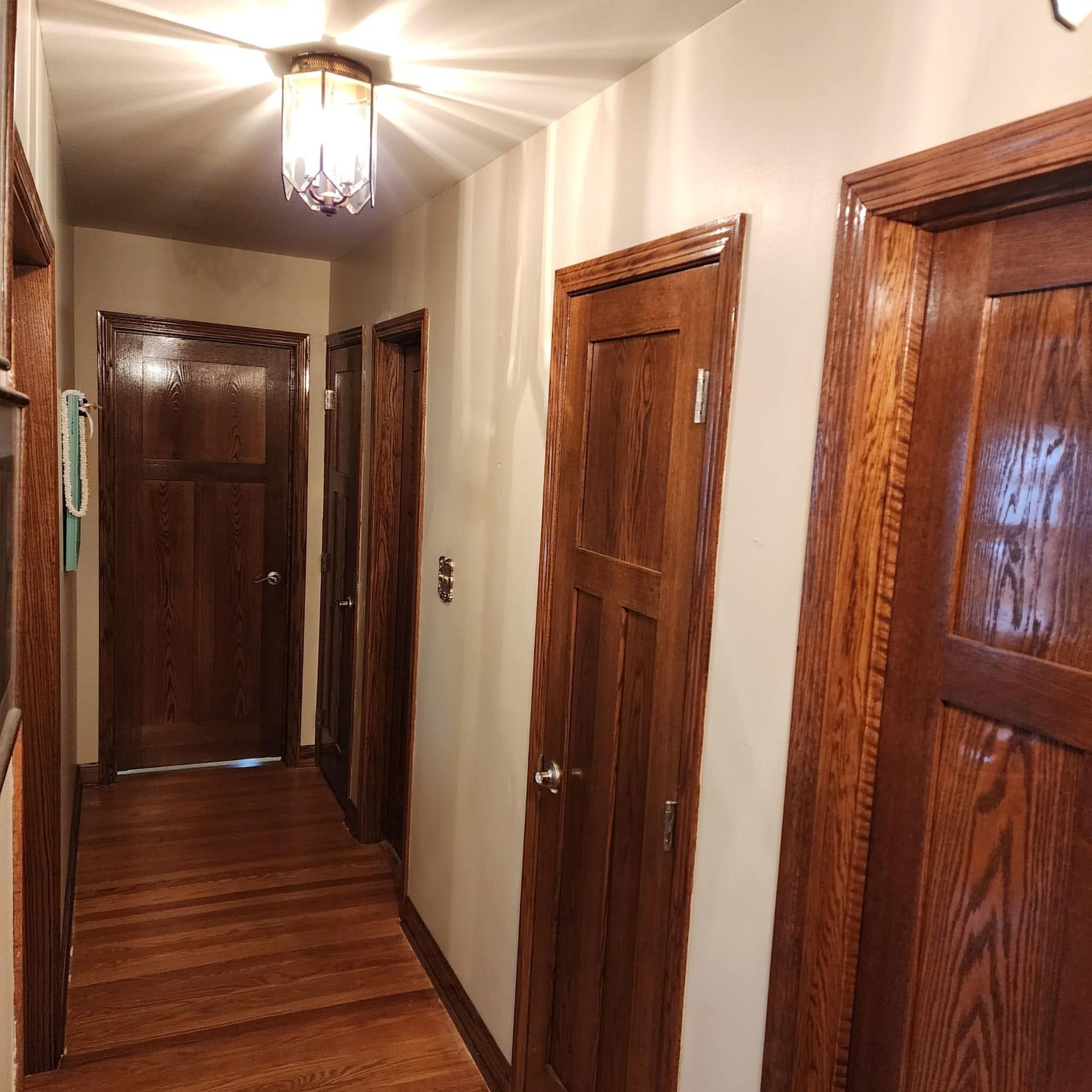
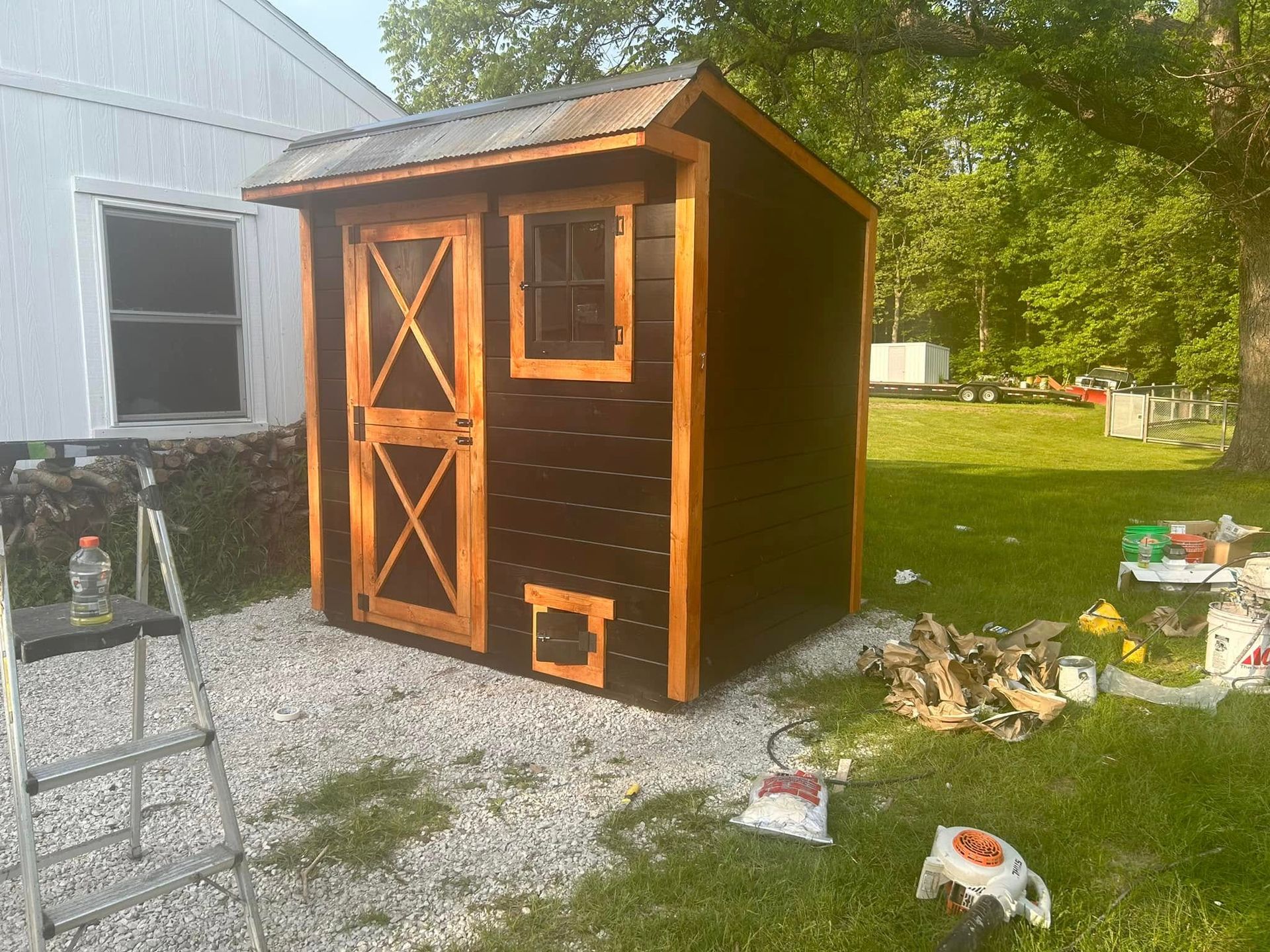
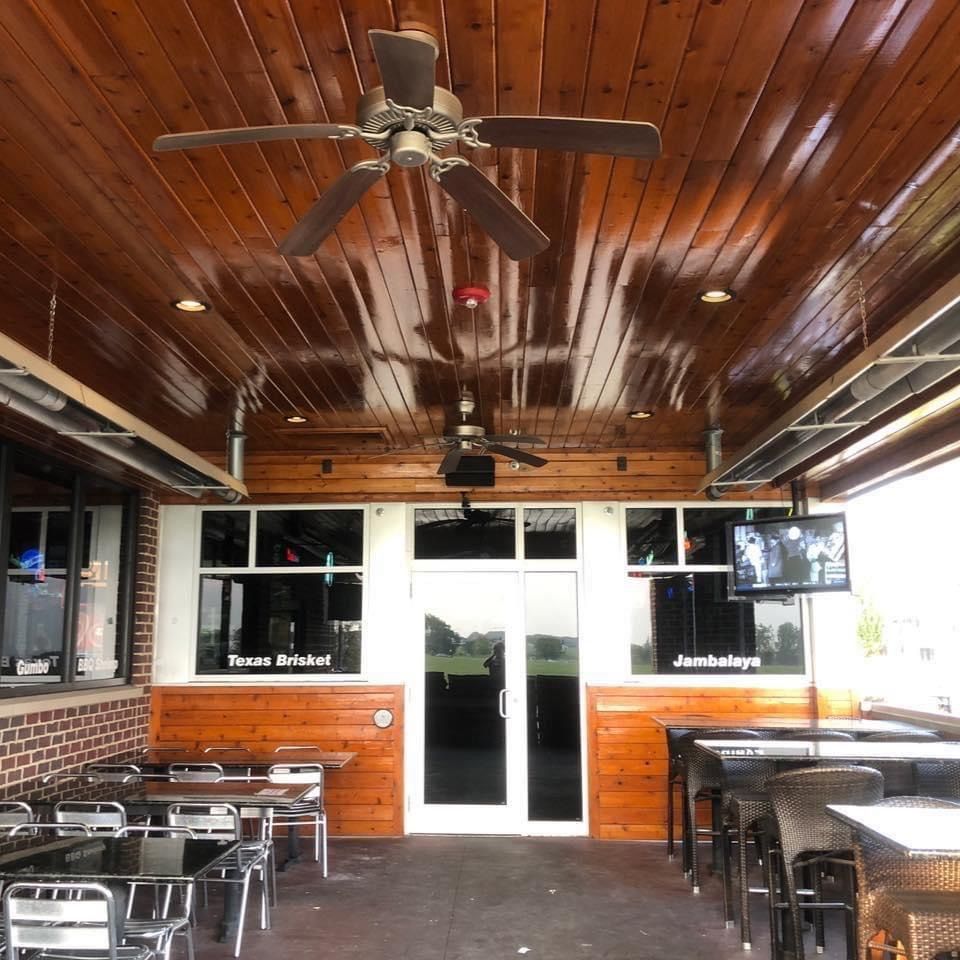
Wood left unprotected absorbs moisture, which causes swelling, cracking, and eventual rot, while UV exposure breaks down lignin and turns surfaces gray and brittle. Staining creates a protective barrier while allowing wood grain to remain visible, which differs from paint that hides texture entirely. TNT Painting & Remodeling LLC handles staining for decks, fences, doors, trim, beams, and wood accents inside and outside properties throughout Hartford, serving both residential and commercial projects.
The process requires cleaning wood to remove dirt, mildew, and old failing finishes, then sanding to open the grain for stain penetration and create a smooth surface free of splinters or rough patches. Proper preparation determines whether stain absorbs evenly or leaves blotchy areas where wood density varies, and whether the finish lasts multiple seasons or starts peeling within months.
Request a consultation to review your wood surfaces and discuss stain color and finish options.
How Staining Addresses Moisture, UV, and Daily Contact
Stain selection depends on exposure level and desired appearance, with solid stains offering more UV protection and hiding imperfections while semi-transparent options showcase wood grain and natural character. Exterior applications require UV inhibitors and water repellents formulated for Iowa's seasonal extremes, while interior stains focus on durability against handling and cleaning.
Once finished, wood surfaces show even color that enhances grain patterns, and the coating sheds water instead of allowing it to soak into the wood. Decks and fences resist the graying and splintering that happens when unprotected wood weathers, and interior trim and beams maintain their appearance without fading or collecting grime in the grain.
The work includes restoring faded or weathered wood that's already been damaged by exposure, applying new finishes to raw wood on remodels and additions, and maintaining previously stained surfaces that need recoating before the finish fails completely. Stain products designed for Iowa climates provide better long-term performance than generic finishes that aren't formulated for freeze-thaw cycles and high summer humidity.
Common Questions About Staining Projects
Wood type, exposure level, and existing finish condition all influence staining approach and maintenance requirements for lasting protection.
What's the difference between stain and paint for wood surfaces?
Stain penetrates into the wood grain and allows texture to show while providing protection, whereas paint sits on the surface and hides wood character entirely, with stain requiring reapplication more frequently but being easier to maintain without peeling issues.
How is wood prepared before staining?
Surfaces get cleaned to remove dirt, mildew, and old finishes, then sanded to smooth rough areas and open the grain for stain absorption, with any damaged or rotted sections replaced before stain is applied in thin even coats.
When should I restain exterior wood surfaces in Hartford?
Most decks and fences need restaining every two to four years depending on sun exposure and traffic, with south and west-facing surfaces requiring more frequent maintenance than shaded areas that don't receive direct weather.
What stain options work best for different wood surfaces?
Semi-transparent stains show wood grain and work well on high-quality wood like cedar or redwood, while solid stains provide more coverage and UV protection for lower-grade wood or surfaces with existing discoloration and imperfections.
Why does stain sometimes look blotchy or uneven?
Inadequate surface prep, applying stain too thickly, or not wiping away excess product leaves dark spots where stain pools, while properly executed work involves thin applications that penetrate evenly and get wiped to consistent color before drying.
TNT Painting & Remodeling LLC completes staining projects for both residential and commercial properties across the Hartford area. Schedule a free estimate to assess your wood surfaces and review finish selections.